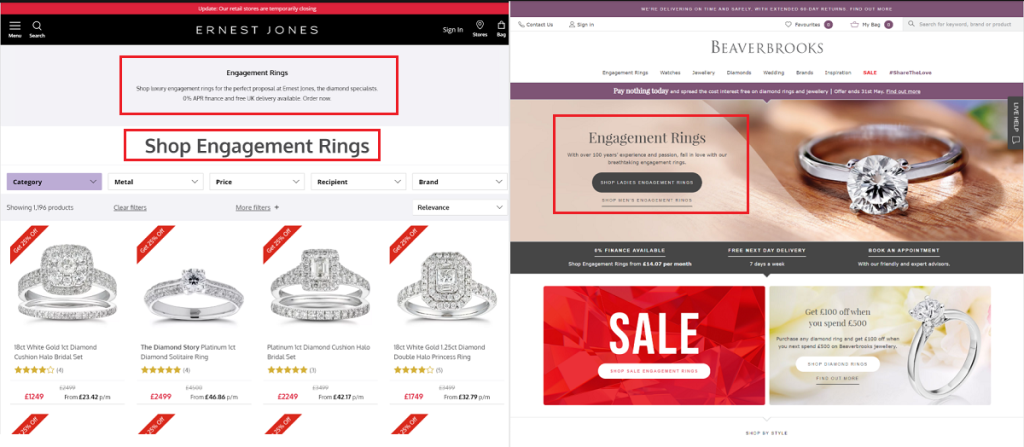
Building a Luxury Jewellery Brand Identity sets the stage for an exploration of what it takes to create a distinctive and captivating presence in the luxury market. In an industry where elegance meets innovation, establishing a strong brand identity is essential for standing out among competitors. This journey involves understanding your target audience, defining your unique value proposition, and crafting a narrative that resonates with customers while embodying the luxury that your jewellery represents.
The process of building a luxury jewellery brand identity extends beyond mere aesthetics; it requires a strategic approach that encompasses everything from design and marketing to customer experience. It’s about creating an emotional connection with your audience, ensuring that every piece of jewellery tells a story that reflects sophistication and exclusivity.
In the modern world, where technology and communication rapidly evolve, the importance of effective communication cannot be overstated. Understanding how to convey ideas clearly and persuasively is a skill that can greatly enhance personal and professional relationships. This article will delve into the various aspects of effective communication, exploring its significance, the barriers that can hinder it, and strategies to improve one’s communication skills.### The Significance of Effective CommunicationEffective communication is the backbone of successful interactions.
In both personal and professional settings, it fosters understanding and collaboration. When individuals can express their thoughts and feelings clearly, it leads to more productive discussions, reduces misunderstandings, and fosters a sense of trust. In the workplace, effective communication can enhance teamwork, boost morale, and increase overall efficiency. Moreover, it is a critical factor in leadership; leaders who communicate well can inspire their teams, articulate their vision, and drive change.### Components of Effective Communication
1. Clarity and Conciseness
One of the most fundamental principles of effective communication is clarity. When conveying a message, it is essential to be straightforward and avoid unnecessary jargon or complicated language. Conciseness is equally important; being brief and to the point helps retain the audience’s attention and ensures the message is understood.
2. Active Listening
Communication is a two-way street. While articulating one’s thoughts is crucial, equally important is the ability to listen actively. This involves fully concentrating on the speaker, understanding their message, responding thoughtfully, and remembering key points. Active listening fosters a deeper understanding of the conversation and makes the speaker feel valued.
3. Non-Verbal Communication
A significant portion of communication occurs through non-verbal cues, such as body language, facial expressions, and eye contact. Being aware of these non-verbal signals can enhance the message being communicated and provide additional context. For instance, crossing arms might be perceived as defensiveness, while maintaining eye contact can signal confidence and engagement.
4. Empathy
Effective communication also requires a degree of empathy. Understanding and acknowledging the feelings and perspectives of others can facilitate better interactions. When individuals feel understood and validated, they are more likely to engage openly and honestly in conversations.### Barriers to Effective CommunicationDespite its importance, several barriers can impede effective communication. These include:
1. Physical Barriers
Environmental factors, such as noise, distance, and technological issues, can interfere with communication. For example, a conversation held in a noisy environment might lead to misunderstandings.
2. Perceptual Barriers
Everyone has different perceptions based on their experiences, biases, and backgrounds. These differences can lead to misinterpretations of messages. It’s essential to recognize that one’s perspective may not be universal.
3. Emotional Barriers
Emotional states, such as stress or anger, can cloud judgment and hinder effective communication. When individuals are emotionally charged, they may struggle to listen or articulate their thoughts clearly.
4. Language Barriers
In an increasingly globalized world, language differences can pose significant challenges. Misunderstandings may arise when individuals do not share a common language or are not fluent in the language being used.### Strategies to Improve Communication SkillsImproving communication skills is a continuous journey that requires practice and self-awareness. Here are several strategies to enhance one’s communication abilities:
1. Practice Active Listening
Make a conscious effort to listen actively. This can involve summarizing what the speaker has said or asking clarifying questions. By doing so, you demonstrate that you value their input and are engaged in the conversation.
2. Seek Feedback
Encourage honest feedback from others about your communication style. This can provide valuable insights into areas that may need improvement. It is essential to approach feedback with an open mind and willingness to learn.
3. Expand Your Vocabulary
A robust vocabulary enables clearer expression of thoughts. Reading regularly, engaging with diverse content, and learning new words can enhance your ability to communicate effectively.
4. Be Mindful of Non-Verbal Cues
Pay attention to your body language and non-verbal signals. Being aware of how these cues affect communication can help you convey your message more effectively.
5. Tailor Your Message
Different audiences require different communication styles. Whether speaking to colleagues, clients, or friends, it is essential to tailor your message to suit the audience’s preferences and level of understanding.
6. Engage in Public Speaking
Participating in public speaking opportunities can boost confidence and improve articulation. Join local clubs, participate in workshops, or even practice in front of friends or family.### The Role of Technology in CommunicationIn today’s digital age, technology plays a pivotal role in communication. With the rise of social media, video conferencing, and instant messaging, individuals can connect across vast distances.
However, while technology offers convenience, it also presents its own set of challenges.
1. Misinterpretation of Tone
Written communication lacks the tonal nuances of face-to-face conversations, leading to potential misunderstandings. Adding emojis or punctuation can help convey tone but may not always suffice.
2. Over-Reliance on Technology
While technology facilitates communication, over-reliance can lead to a decline in face-to-face interactions. Maintaining a balance between digital communication and personal interactions is crucial for building strong relationships.
3. Information Overload
The sheer volume of information available online can be overwhelming. It is vital to filter and prioritize communication to avoid distractions and ensure clarity.### ConclusionEffective communication is an essential skill that impacts every aspect of life. By understanding its significance, recognizing the barriers that may exist, and employing strategies to improve communication skills, individuals can foster better relationships and navigate their personal and professional lives more successfully.
As we continue to evolve in a rapidly changing world, honing these skills will remain crucial in ensuring meaningful connections with others.
Essential Questionnaire: Building A Luxury Jewellery Brand Identity
What are the key elements of a luxury jewellery brand identity?
The key elements include a unique brand story, sophisticated design, quality craftsmanship, and a strong emotional connection with customers.
How important is storytelling in luxury branding?
Storytelling is crucial as it helps create an emotional bond with customers, making the brand more relatable and memorable.
What role does customer experience play in luxury jewellery brands?
Customer experience is vital as it shapes the perception of the brand, influencing loyalty and repeat purchases.
How can social media impact a luxury jewellery brand?
Social media can enhance visibility, engage potential customers, and showcase the brand’s personality and aesthetic in a visually appealing way.
What trends are emerging in luxury jewellery branding?
Emerging trends include personalized experiences, sustainable practices, and the use of technology to enhance customer engagement.