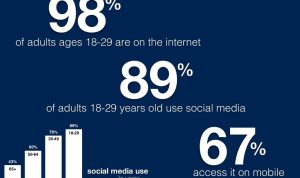
Using TikTok to Promote Tech Gadgets sets the stage for this enthralling narrative, where the merging of technology and creativity on social media revolutionizes how we showcase the latest gadgets. With millions of users scrolling through entertaining and informative content daily, TikTok emerges as a powerful platform for tech brands to engage potential consumers in innovative ways. This dynamic environment not only allows for the introduction of new products but also fosters a community that values authentic experiences and recommendations.
In this exploration, we will delve into the strategies that successful brands use on TikTok, the unique features of the platform that can enhance product visibility, and the significance of understanding the audience’s preferences. By leveraging the fun, engaging nature of TikTok, tech gadgets can reach a broader audience, creating buzz and driving sales in a competitive market.
In recent years, the world of technology has seen rapid advancements, particularly in the realm of artificial intelligence (AI). This surge in innovation has transformed various industries, from healthcare to finance, and even education. In this article, we will explore the implications of AI on our daily lives, the ethical considerations surrounding its use, and what the future may hold for humanity as we integrate these intelligent systems into our routines.To start, it’s essential to understand what artificial intelligence is.
At its core, AI refers to the simulation of human intelligence processes by machines, particularly computer systems. These processes include learning, reasoning, problem-solving, perception, and language understanding. AI encompasses a variety of technologies, including machine learning, neural networks, natural language processing, and robotics. As these technologies continue to evolve, their applications have become increasingly diverse and impactful.One of the most significant areas where AI has made a substantial impact is healthcare.
AI-powered tools are now being used to analyze medical data, assist in diagnostics, and personalize treatment plans. For instance, algorithms can process vast amounts of patient information to identify patterns and predict outcomes, enabling healthcare providers to make more informed decisions. Moreover, AI-driven chatbots and virtual health assistants are improving patient engagement by providing instant support and information, reducing the burden on healthcare professionals.In addition to healthcare, AI is reshaping the finance industry.
Financial institutions are adopting AI technologies to enhance risk management, streamline operations, and improve customer service. For example, machine learning algorithms can analyze transaction patterns to detect fraudulent activities in real-time, protecting both the institution and its clients. Furthermore, AI-driven robo-advisors are revolutionizing investment management by offering personalized financial advice at a fraction of the cost of traditional financial advisors.Education is another sector benefiting from AI advancements.
With the rise of online learning platforms, AI is playing a crucial role in personalizing education for students. Adaptive learning technologies can tailor educational content to suit individual learning styles and paces, ensuring that students remain engaged and motivated. Additionally, AI can provide educators with valuable insights into student performance, allowing them to identify areas where intervention may be needed.Despite the numerous advantages of AI, there are also significant ethical considerations that must be addressed.
As we become increasingly reliant on AI systems, questions surrounding privacy, security, and bias have emerged. For instance, the use of AI in surveillance raises concerns about the potential infringement of individual privacy rights. Moreover, the algorithms that power AI systems can inadvertently perpetuate existing biases if not carefully monitored and managed. This can lead to discriminatory outcomes in areas such as hiring practices and law enforcement.Another pressing ethical concern is the impact of AI on employment.
As machines become capable of performing tasks traditionally handled by humans, there is growing apprehension about job displacement. While some experts argue that AI will create new job opportunities, others caution that the transition may not be smooth. It is crucial for policymakers and business leaders to proactively address these challenges by investing in workforce training and development programs to equip individuals with the skills needed in an AI-driven economy.Looking ahead, the future of AI appears promising, but it is essential to approach its development with caution and foresight.
Collaboration among technologists, ethicists, and policymakers will be vital in shaping an AI landscape that benefits all of society. Establishing clear regulations and ethical guidelines for AI use will help ensure that these technologies are developed and deployed responsibly.Moreover, as AI continues to evolve, the concept of human-AI collaboration will become increasingly important. Rather than viewing AI as a replacement for human intelligence, we should embrace it as a tool that can enhance our capabilities.
By leveraging AI to augment our decision-making processes and streamline our tasks, we can unlock new levels of productivity and creativity.In conclusion, the integration of artificial intelligence into various aspects of our lives has the potential to drive significant positive change. From revolutionizing healthcare and finance to transforming education, AI offers a wealth of opportunities for improving efficiency and enhancing our quality of life.
However, it is imperative to navigate the ethical challenges that accompany these advancements carefully. By fostering collaboration and ensuring responsible AI development, we can create a future where technology and humanity coexist harmoniously, leading to a better world for all.
User Queries: Using TikTok To Promote Tech Gadgets
How can TikTok help tech brands reach younger audiences?
TikTok’s user demographics primarily consist of younger people, making it an ideal platform for tech brands looking to engage Gen Z and Millennials through entertaining and relatable content.

What types of content work best for promoting gadgets on TikTok?
Short, visually appealing videos that highlight product features, user testimonials, or creative demonstrations tend to perform well, as they capture attention quickly and encourage shares.
Is it necessary to collaborate with influencers on TikTok for gadget promotions?
While not mandatory, collaborating with influencers can significantly boost visibility and credibility, as their established audiences trust their recommendations.
How important is audience engagement in TikTok marketing?
Audience engagement is crucial on TikTok; responding to comments, participating in trends, and creating interactive content can foster community and brand loyalty.
What are some common mistakes brands make on TikTok?
Common mistakes include ignoring trends, creating overly promotional content, and failing to engage with the audience, which can lead to a lack of interest and visibility.