How to Use Pinterest for Fashion Marketing sets the stage for this enthralling narrative, offering readers a glimpse into an innovative approach that harnesses the visual power of Pinterest to elevate fashion brands. In today’s digital age, where social media significantly influences consumer behavior, utilizing platforms like Pinterest can be a game-changer for fashion marketing. With its focus on aesthetics and creativity, Pinterest allows brands to showcase their designs, connect with potential customers, and inspire fashion enthusiasts worldwide.
This guide will unravel the strategies and insights necessary for effectively leveraging Pinterest in the fashion industry, exploring how to create eye-catching pins, engage with audiences, and drive traffic to online stores.
In today’s fast-paced world, maintaining a work-life balance has become an increasingly pressing concern. Many individuals find themselves caught up in a relentless cycle of work commitments, personal responsibilities, and social engagements. As a result, they often struggle to carve out time for relaxation and self-care. But what exactly does work-life balance mean, and why is it so crucial in our lives today?To begin with, work-life balance refers to the equilibrium between professional responsibilities and personal life.
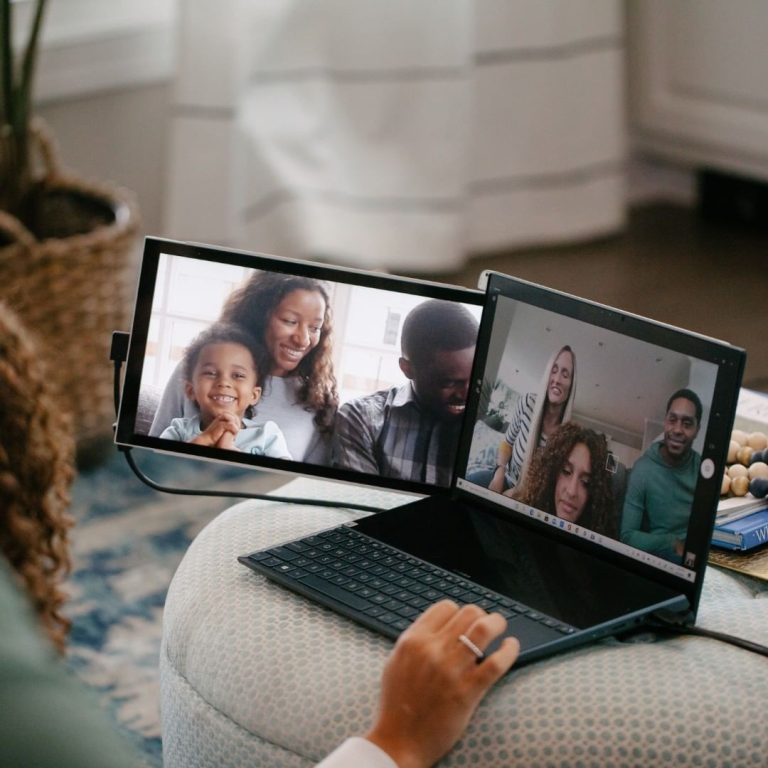
This balance allows individuals to effectively manage their work commitments alongside their personal interests, family obligations, and leisure activities. Achieving this balance is essential for maintaining mental and physical well-being, as well as fostering productivity and satisfaction in both spheres of life.The importance of work-life balance cannot be overstated. Firstly, it contributes significantly to individuals’ mental health. Continuous work pressure can lead to burnout, stress, and anxiety, which can adversely affect not just work performance but also personal relationships and overall quality of life.
By prioritizing self-care and leisure activities, individuals can recharge and rejuvenate, thus enhancing their resilience against work-related stress.Moreover, having a good work-life balance can lead to increased productivity. Contrary to the traditional belief that longer working hours equate to higher productivity, research has shown that when individuals take time off to rest and recharge, they often return to work with renewed energy and creativity.
This results in better performance and a more innovative approach to problem-solving.Furthermore, work-life balance can positively impact relationships. When individuals are overworked and stressed, they may neglect their personal relationships, leading to feelings of isolation and dissatisfaction. However, by establishing boundaries and ensuring time for family and friends, individuals can cultivate stronger connections and enjoy a more fulfilling life outside of work.Despite the benefits, achieving work-life balance is not always straightforward.
The first step towards this goal is to set clear boundaries between work and personal life. This can include specific working hours, creating a dedicated workspace, and turning off work-related notifications during personal time. By establishing these boundaries, individuals can prevent work from encroaching on their personal lives.Additionally, prioritizing tasks is crucial in achieving balance. Not all tasks hold equal significance, and understanding which are urgent and which can wait can help individuals manage their time effectively.
Utilizing tools like to-do lists or digital planners can assist in organizing tasks while ensuring that personal commitments are also given due attention.Time management skills play a pivotal role in work-life balance. Individuals can enhance their efficiency by adopting techniques such as the Pomodoro Technique, which involves working in focused bursts followed by short breaks. This method can help maintain motivation and reduce fatigue, allowing for a more enjoyable work experience.
Moreover, scheduling time for leisure and self-care into the calendar can ensure that personal needs are not overlooked.Another vital aspect of work-life balance involves communicating needs and boundaries with employers and colleagues. Discussing workload and deadlines can lead to a more supportive work environment where individuals feel comfortable seeking help or adjusting expectations. This open communication fosters a culture of understanding and cooperation, which can significantly alleviate work-related pressures.Moreover, organizations play a critical role in promoting work-life balance among employees.
Companies that support flexible working hours, remote work options, and mental health initiatives create an environment where employees can thrive both personally and professionally. Such supportive policies not only enhance employee satisfaction but also contribute to increased retention rates and overall organizational success.In addition to individual efforts and organizational support, societal attitudes towards work-life balance are also evolving. As more people advocate for mental health awareness and the importance of downtime, there is a growing recognition of the need for balance in the workplace.
This shift in perspective is encouraging companies to adopt more progressive policies that prioritize employee well-being.As we navigate the complexities of modern life, it’s essential to remember that work-life balance is an ongoing journey rather than a destination. It requires constant evaluation and adjustment based on personal circumstances, evolving responsibilities, and changing priorities. Therefore, individuals should regularly assess their current balance and make necessary adjustments to ensure they are not sacrificing personal well-being for professional success.In conclusion, work-life balance is integral to leading a fulfilling life.
By setting boundaries, prioritizing tasks, managing time effectively, and fostering open communication, individuals can create a sustainable equilibrium between their work and personal lives. Additionally, organizations must recognize their responsibility in supporting employees’ well-being and promoting a culture that values work-life balance. As we collectively strive toward achieving this balance, we can lead healthier, more satisfying lives both in and out of the workplace.
Questions Often Asked: How To Use Pinterest For Fashion Marketing
What types of content work best on Pinterest for fashion?
High-quality images, infographics, and styling tips tend to resonate well with users, driving engagement and shares.
How can I measure the success of my Pinterest marketing efforts?
You can track metrics such as pin impressions, saves, clicks to your website, and overall follower growth using Pinterest Analytics.
Is it necessary to have a business account on Pinterest for marketing?
Yes, a business account provides access to valuable tools and analytics that help optimize your marketing strategy.
How often should I post on Pinterest?
Consistency is key; aim for at least 5-10 pins per day to maintain visibility and engagement with your audience.
Can I use Pinterest ads for fashion marketing?
Absolutely, Pinterest offers various ad formats that can target specific audiences and drive traffic to your fashion brand.