Selling News in Emerging Markets sets the stage for a compelling exploration of the dynamic landscape where journalism meets commerce. In a world increasingly defined by globalization, the way news is sold in emerging markets has evolved dramatically, influenced by cultural nuances and technological advancements. This provides not just an opportunity for journalists but also sparks a dialogue about the role of news in shaping perceptions and driving economies.
As we delve deeper into this topic, we will uncover the strategies that can effectively engage audiences in these markets, the challenges that come with cultural differences, and the innovative methods that are redefining how news is consumed. The journey through this exploration will highlight the significance of understanding local contexts while navigating the complex web of emerging economies.
In recent years, urban gardening has emerged as a significant trend that is reshaping the way we think about our cities and their environments. With the rapid urbanization seen globally, the concept of bringing greenery into densely populated areas has become not just a novelty, but a necessity. This article delves into the essence of urban gardening, exploring its benefits, challenges, and the various forms it takes in different urban settings.
Understanding Urban Gardening
Urban gardening refers to the practice of cultivating, processing, and distributing food in or around urban areas. It can take many forms, from small container gardens on balconies to community gardens that engage entire neighborhoods. The beauty of urban gardening lies in its adaptability; it can flourish anywhere there is a bit of soil, sunlight, and a little creativity.
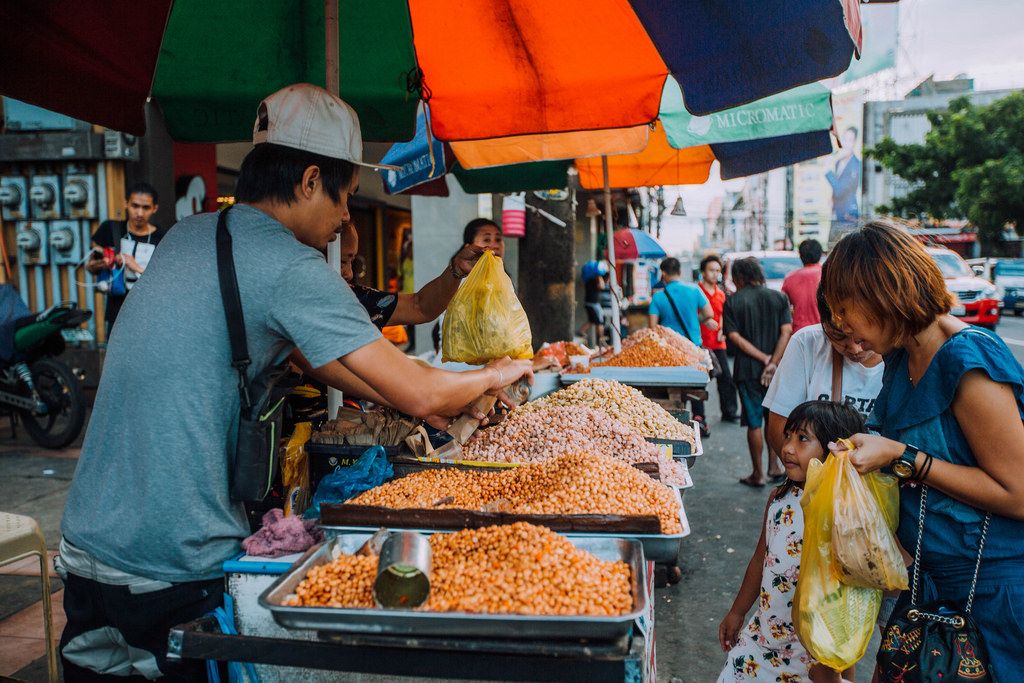
The Benefits of Urban Gardening: Selling News In Emerging Markets
Urban gardening offers a myriad of benefits that extend beyond just growing food. Some of the key advantages include:
1. Environmental Impact, Selling News in Emerging Markets
Urban gardens contribute to biodiversity by creating habitats for various species, including pollinators like bees and butterflies. They also play a crucial role in mitigating urban heat islands, improving air quality, and managing stormwater runoff. By incorporating plants into our cities, we not only beautify the landscape but also support local ecosystems.
2. Food Security
With the rise of food deserts in many urban areas, local gardening initiatives can significantly improve food security. Growing fruits and vegetables within city limits helps provide fresh produce to communities that may lack access to grocery stores. These local gardens also encourage sustainable eating habits, as families can grow their own food and understand the importance of nutrition.
3. Community Engagement
Urban gardening fosters a sense of community and belonging. Community gardens bring people together, allowing them to share resources and knowledge while cultivating relationships. They serve as gathering places for workshops, events, and social interactions, strengthening neighborhood ties and encouraging collective responsibility for shared spaces.
4. Mental Health and Wellbeing
Research has shown that gardening can have therapeutic effects, promoting mental well-being by reducing stress and anxiety. Engaging with nature allows individuals to disconnect from their busy lives, fostering mindfulness and enhancing overall happiness. The act of nurturing plants can also instill a sense of purpose and accomplishment.
Types of Urban Gardens
Urban gardening can take many forms, each tailored to suit the specific needs and constraints of a city environment. Here are some popular types of urban gardens:
1. Container Gardens
Container gardening is ideal for those with limited space. Using pots, barrels, or other containers, individuals can grow a variety of plants on patios, balconies, or even windowsills. This flexibility allows for a wide range of plants, from herbs to flowers, to thrive in urban settings.
2. Vertical Gardens
Vertical gardens, or living walls, utilize vertical space to create stunning green features. These gardens are perfect for apartments or places where ground space is limited. By using trellises, wall planters, or hydroponic systems, urban dwellers can maximize their green footprint while adding aesthetic value to their homes.
3. Community Gardens
Community gardens serve as a collective space where individuals or families can rent plots to grow their own food. These gardens often bring people together, encouraging collaboration and knowledge sharing. Many community gardens also focus on education, offering workshops on sustainable gardening practices and nutrition.
4. Rooftop Gardens
Rooftop gardens transform unused rooftop spaces into vibrant green areas. These gardens not only provide fresh produce but also help insulate buildings and reduce energy costs. They have become increasingly popular in urban areas where ground-level gardening options are limited.
Challenges of Urban Gardening
While urban gardening offers numerous benefits, it does come with its set of challenges:
1. Space Constraints
One of the most significant hurdles for urban gardeners is the lack of space. Many cities are densely populated, making it challenging to find areas suitable for gardening. Creative solutions, such as vertical gardening and container gardening, can help mitigate this issue.
2. Soil Quality
Urban soils can be contaminated or of poor quality, posing risks to the growth of healthy plants. Conducting soil tests is essential before planting, and many gardeners turn to raised beds or container gardening to bypass this issue entirely.
3. Water Access
In urban settings, access to water can be limited, making it essential for gardeners to develop efficient watering strategies. Rainwater harvesting systems and drip irrigation are valuable methods to conserve water while ensuring plants receive adequate hydration.
4. Local Regulations
In some cities, local regulations can pose challenges to urban gardening. Zoning laws may restrict the types of plants that can be grown or the structures that can be erected. It is crucial for gardeners to be aware of these regulations and work within the framework to create compliant gardens.
Getting Started with Urban Gardening
For those looking to dive into urban gardening, here are some practical steps to get started:
1. Assess Your Space
Evaluate the space you have available for gardening, whether it’s a small balcony, a shared courtyard, or a rooftop. Consider the amount of sunlight the area receives and the accessibility of water sources.
2. Choose the Right Plants
Consider starting with easy-to-grow plants, such as herbs, lettuce, or tomatoes, especially if you’re a beginner. Research plants that thrive in your climate and the specific conditions of your garden.
3. Gather Your Supplies
Invest in essential gardening supplies, including pots, soil, seeds or seedlings, and gardening tools. If you’re using containers, ensure they have adequate drainage holes to prevent waterlogging.
4. Join a Community
If possible, connect with local gardening groups or community gardens. Engaging with others provides valuable support, resources, and opportunities for collaboration.
Conclusion
Urban gardening is more than just a trend; it’s a movement that encourages people to reconnect with nature and their communities. By nurturing green spaces amid concrete jungles, we can improve our environment, enhance our well-being, and foster a sense of belonging. As cities continue to grow, urban gardening will remain a vital practice, bridging the gap between urban living and the natural world.
So grab your gardening gloves, and let’s cultivate a greener future together!
Whether you’re a seasoned gardener or a curious novice, the world of urban gardening awaits you with open arms and fertile soil. Embrace the challenge and rewards of growing your own food in the heart of the city, and watch as your green thumb transforms your environment into a lush oasis.
FAQ Section
What are emerging markets?
Emerging markets are nations with social or business activities in the process of rapid growth and industrialization, often characterized by significant economic development potential.
Why is cultural context important in selling news?
Cultural context is crucial because it influences how news is perceived and consumed, impacting the effectiveness of communication strategies in different regions.
What challenges do journalists face in emerging markets?
Journalists often encounter challenges such as navigating political sensitivities, understanding diverse cultural norms, and competing with local media landscapes.
How can technology enhance news selling in emerging markets?
Technology can enhance news selling by providing platforms for wider reach, improving engagement through interactivity, and leveraging data analytics for targeted content delivery.
What role does ethical journalism play in emerging markets?
Ethical journalism is essential to build trust with audiences, ensure accuracy, and uphold integrity, particularly in environments where misinformation can spread rapidly.