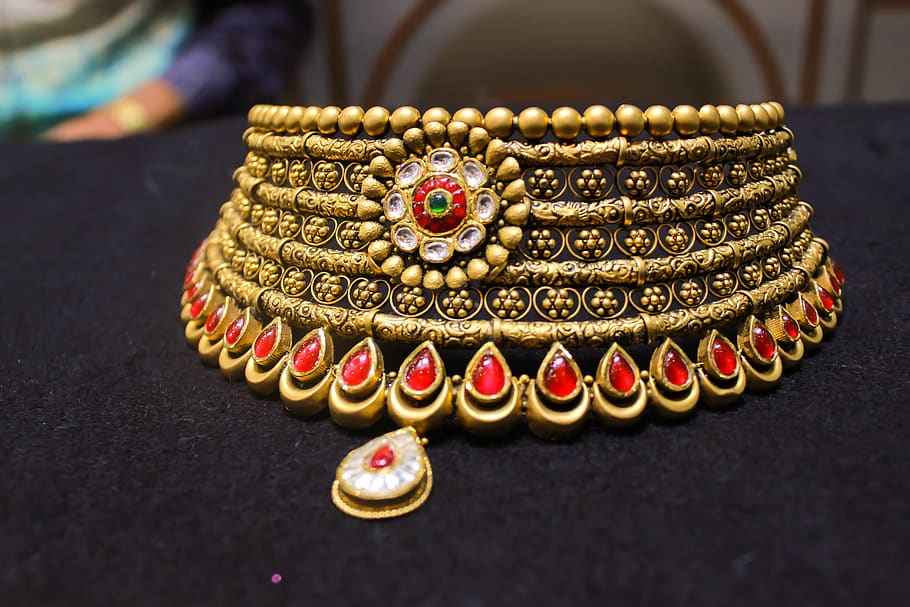
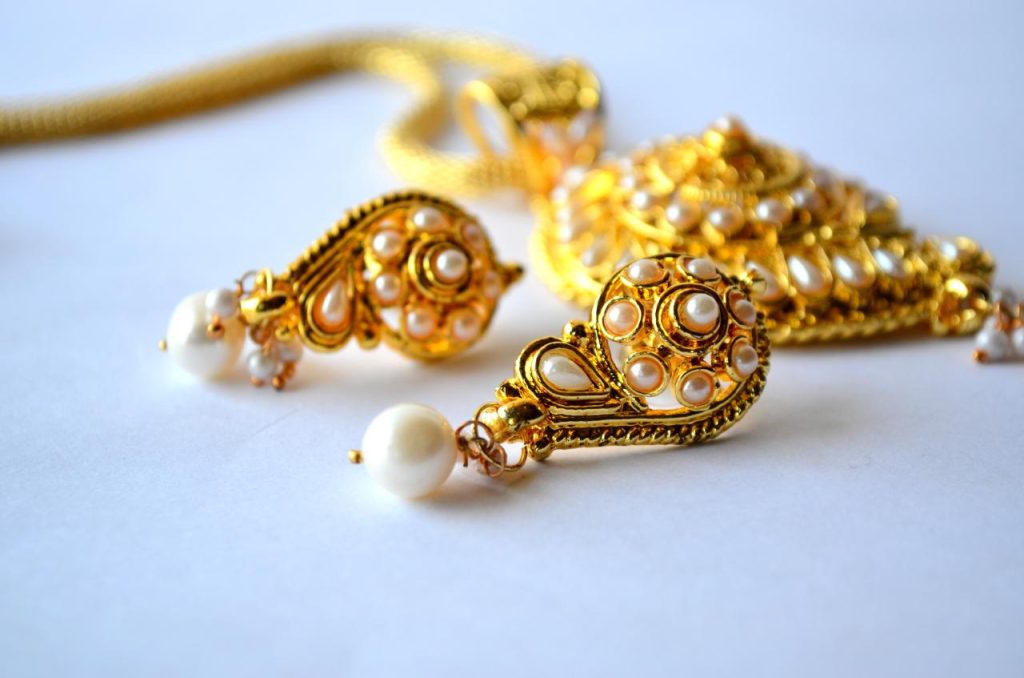
Seasonal Jewellery Trends to Watch and Sell sets the stage for this enthralling narrative, offering readers a glimpse into a world where creativity meets seasonal fashion. As we navigate through the ever-evolving landscape of jewellery design, we uncover the trends that capture the essence of each season, ensuring that every piece tells a story of style and elegance. From vibrant colors that echo the spirit of summer to the rich textures that embrace the warmth of winter, this overview will highlight key designs and materials to keep an eye on.
Understanding these trends not only enhances your appreciation of jewellery but also equips you with the insights needed to make informed purchasing decisions, whether for personal adornment or for retail opportunities. By staying updated on seasonal shifts, you can elevate your collection and provide customers with pieces that resonate with current styles and preferences.
In today’s fast-paced world, the importance of effective communication cannot be overstated. Whether it’s in our personal lives, the workplace, or even online interactions, clear and concise communication plays a key role in fostering understanding and collaboration. This article will explore the nuances of communication, its various forms, and tips for improving your communication skills.### The Essence of CommunicationEffective communication is more than just exchanging words; it’s about conveying meaning and intent.
At its core, communication is a two-way street, involving both the sender and the receiver. The process begins with the sender encoding a message, which is then transmitted through a chosen medium. The receiver decodes the message, interpreting its meaning based on their own experiences and perceptions.### Different Forms of CommunicationCommunication can be categorized into several forms, each playing a distinct role in our day-to-day interactions:
1. Verbal Communication
This is perhaps the most recognized form of communication. It involves spoken or written words and can take place in person, over the phone, or via digital platforms. Tone of voice, choice of words, and clarity all contribute to the effectiveness of verbal communication.
2. Non-verbal Communication
Often overlooked, non-verbal cues such as body language, facial expressions, and gestures significantly impact how our messages are received. For instance, maintaining eye contact can convey confidence and sincerity, while crossed arms might indicate defensiveness.
3. Listening
Active listening is crucial for effective communication. It involves not just hearing the words spoken but also understanding the underlying message. Practicing active listening can lead to better relationships and fewer misunderstandings.
4. Visual Communication
This includes any communication that involves visual aids such as graphs, charts, or infographics. Visuals can enhance understanding and retention of information, especially in complex topics.### The Role of Context in CommunicationThe context in which communication occurs is equally important. Factors such as the environment, cultural background, and the relationship between the communicators can influence how a message is perceived.
For example, a casual conversation among friends may allow for more humor and informal language, while a business meeting might require a more structured approach.### Barriers to Effective CommunicationDespite our best intentions, barriers can hinder effective communication. Some common obstacles include:
Physical Barriers
These can be anything from distance and noise to technological issues. In remote work settings, for instance, poor internet connection can disrupt a meeting and lead to miscommunication.
Psychological Barriers
Emotions play a significant role in communication. Stress, anxiety, or preconceived notions can cloud judgment and affect how messages are interpreted.
Language Barriers
Differences in language or jargon can create confusion. It’s essential to be mindful of your audience and adapt your language accordingly.### Tips for Improving Communication SkillsImproving your communication skills is an ongoing process that requires practice and self-reflection. Here are some tips to help you enhance your abilities:
1. Be Clear and Concise
Aim to convey your message in as few words as possible without losing its essence. Avoid jargon unless you’re sure your audience understands it.
2. Ask Questions
Engage in conversations by asking open-ended questions. This not only shows that you’re interested but also encourages the other person to share more.
3. Practice Empathy
Try to understand things from the other person’s perspective. This can help in crafting messages that resonate better with your audience.
4. Seek Feedback
Don’t hesitate to ask for feedback on your communication style. Constructive criticism can provide insights into areas for improvement.

5. Adapt Your Style
Tailor your communication style to suit the audience and context. Being adaptable can make your messages more effective.### The Impact of Technology on CommunicationIn recent years, technology has transformed the way we communicate. From instant messaging apps to video conferencing tools, the digital age has made communication faster and more accessible. However, this also comes with challenges. Misinterpretations can arise more easily in text-based communication, where tone and intent are often lost.It’s crucial to find a balance between utilizing technology and maintaining authentic connections.
While digital communication offers convenience, face-to-face interactions can foster deeper relationships and understanding.### ConclusionEffective communication is an indispensable skill that can enhance both personal and professional relationships. By understanding its various forms, being aware of potential barriers, and actively working to improve your skills, you can become a more effective communicator. Remember, the goal of communication is not just to deliver a message but to ensure that it is understood.
So, whether you’re speaking, writing, or listening, strive for clarity, empathy, and connection.
FAQ Overview: Seasonal Jewellery Trends To Watch And Sell
What are some key trends in seasonal jewellery?
Key trends often include the use of natural materials, bold colors, and unique designs that reflect the season’s spirit, such as floral motifs in spring or warm metals in fall.
How can I identify the right seasonal jewellery for my collection?
Researching current fashion shows, following influential designers, and observing social media trends can help you identify the right pieces that align with your style.
Are there specific materials that are popular in certain seasons?
Yes, for example, lighter materials like shells and beads are often popular in summer, while heavier metals and gemstones may dominate in winter collections.
How important is it to follow seasonal trends in jewellery?
Following seasonal trends is crucial for staying relevant in the market, attracting customers, and ensuring your collection resonates with contemporary tastes.
Can seasonal jewellery trends influence my buying decisions?
Absolutely! Understanding trends can guide your purchases, ensuring you invest in pieces that are likely to sell well or enhance your personal collection.