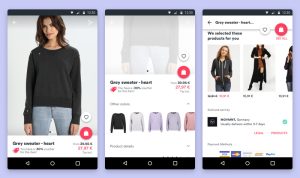
Selling Android Development Tools to App Creators opens up an exciting conversation about the essential resources that empower developers to bring their app ideas to life. In today’s fast-paced digital world, the demand for innovative and efficient tools is more crucial than ever. As technology evolves, so do the needs of app creators who require reliable platforms to streamline their development processes and enhance productivity.
This exploration will delve into the various tools available, their benefits, and how they address the unique challenges faced by Android app developers. Whether it’s through user-friendly interfaces, robust functionalities, or integration capabilities, these tools play a vital role in facilitating the creative process, making it easier for developers to turn concepts into successful applications.
In today’s fast-paced world, the importance of understanding various topics cannot be overstated. From technology to lifestyle choices, each subject holds immense significance in our daily lives. This article aims to explore a multifaceted topic in depth, focusing on the intersection of technology and personal well-being, specifically looking at how digital tools can enhance mental health.To start off, let’s acknowledge the increasing role technology plays in our lives.
With the rise of smartphones, tablets, and smartwatches, we are more connected than ever. However, this connectivity comes with its own set of challenges. The constant influx of information and notifications can sometimes lead to feelings of anxiety and overwhelm. Hence, it is crucial to find a balance between utilizing technology for our benefit and not letting it negatively affect our mental health.One of the most promising aspects of technology in the realm of mental health is the emergence of mental health apps.
These applications are designed to provide users with tools to manage stress, anxiety, and other mental health issues. For instance, popular apps like Headspace and Calm offer guided meditations, mindfulness exercises, and relaxation techniques. Research has shown that consistent use of such apps can lead to a significant reduction in stress levels and improvement in overall well-being.Moreover, the availability of online therapy has revolutionized how individuals seek help.
Platforms like BetterHelp and Talkspace enable users to connect with licensed therapists from the comfort of their homes. This accessibility can be especially beneficial for those who may feel uncomfortable seeking help in a traditional setting or those living in remote areas with limited access to mental health services. Online therapy also allows for greater flexibility in scheduling, accommodating those with busy lifestyles.Another noteworthy trend is the utilization of wearable technology to monitor mental health.
Devices like Fitbit and Apple Watch not only track physical activity but also offer insights into sleep patterns and stress levels. By integrating features such as heart rate monitoring and guided breathing exercises, these wearables empower users to take proactive steps in managing their mental health. For instance, if a user notices an increase in their heart rate during stressful times, they can engage in breathing exercises right away to mitigate anxiety.Social media, while often criticized for its potential negative impact on mental health, can also serve as a powerful tool for connection and support.
Online communities provide a space for individuals to share their experiences and seek advice from others who may be going through similar challenges. Furthermore, platforms like Instagram and Facebook host numerous pages and groups dedicated to mental health awareness, promoting positivity and encouraging open conversations about mental well-being.However, it’s essential to approach social media mindfully. Setting boundaries around usage, such as limiting time spent on certain apps or curating a positive feed, can help mitigate the potential downsides.
Engaging with content that promotes mental health awareness and positivity can create a more supportive online environment. In addition to these advancements, technology has made it easier for organizations to promote mental health in the workplace. Companies are increasingly recognizing the importance of employee well-being and are implementing programs that encourage mental health awareness. Tools such as employee assistance programs (EAPs) provide confidential support and resources to employees facing personal or work-related challenges.
Furthermore, many organizations are using digital platforms to offer workshops, seminars, and training sessions aimed at reducing stigma and fostering open discussions about mental health.Moreover, the integration of virtual reality (VR) into therapy is an exciting development on the horizon. VR therapy allows individuals to confront their fears and anxieties in a controlled environment, facilitating exposure therapy in a way that was not previously possible.
This innovative approach has shown promising results for treating conditions such as PTSD and phobias, providing a new avenue of support for those in need.As we look toward the future, it is crucial to continue exploring the ways in which technology can support mental health. This exploration must be accompanied by a commitment to ensuring that these tools are accessible and equitable for all individuals.
Addressing the digital divide and ensuring that everyone has access to the internet and the necessary devices is paramount in making mental health resources available to those who need them.In conclusion, the intersection of technology and mental health presents a wealth of opportunities. From mental health apps and online therapy to wearable technology and VR therapy, these advancements can significantly enhance personal well-being.
However, it is essential to approach technology mindfully, recognizing both its benefits and potential drawbacks. By striking a balance and utilizing these tools thoughtfully, individuals can foster a healthier relationship with technology and improve their mental health in the process. As we continue to navigate this digital landscape, let us remain open to the possibilities that lie ahead, ensuring that technology serves as a beacon of hope and support for mental well-being.
FAQ: Selling Android Development Tools To App Creators
What are some popular Android development tools?
Some popular Android development tools include Android Studio, Flutter, and React Native, each offering unique features to aid developers.
How do these tools improve development efficiency?

These tools streamline coding, provide debugging assistance, and often include libraries that speed up the development process, ultimately saving time.
Can beginners use these tools effectively?
Yes, many of these tools are designed with user-friendly interfaces, making them accessible for beginners while also offering advanced features for experienced developers.
Are there any costs associated with these tools?
While some tools are free, others may require a subscription or one-time payment for premium features and support.
How do I choose the right tool for my project?
Consider factors such as project requirements, your skill level, and the specific features you need when selecting the most suitable development tool.